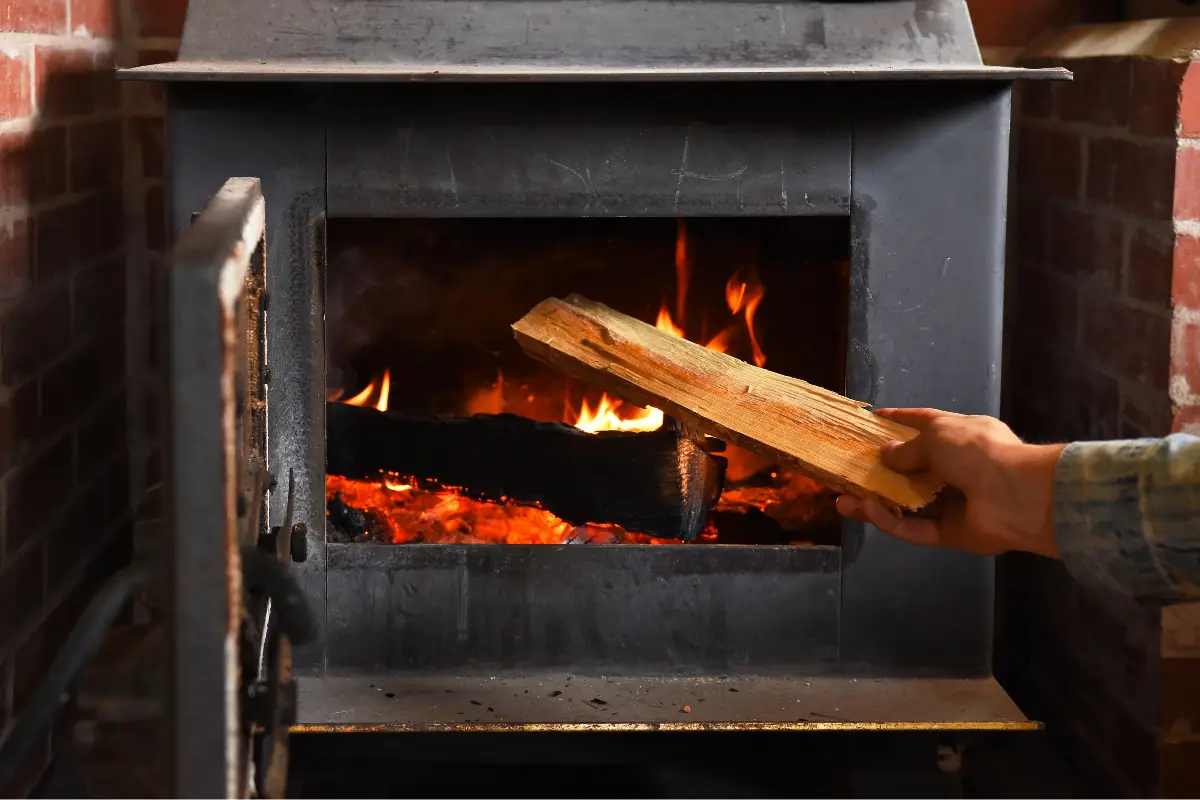

On a cold Connecticut night, the scent of wood smoke curling from a chimney can feel reassuring — familiar and comforting. For some families, a wood fire is a cost-effective supplement to their home heating system; for others, it’s part of the rhythm of New England winters.
But the smoke that makes a house warm and inviting is made up of tiny particles and gases that don’t just disappear into thin air.
“Wood smoke is a complex mixture of gases and fine particles produced when wood and other organic matter burn,” the Connecticut Department of Energy and Environmental Protection (DEEP) reminded residents in its 2026 winter guidance. These pollutants include formaldehyde, benzene, acrolein and polycyclic aromatic hydrocarbons (PAHs) — all of which can affect air quality, public health, and the environment.
For homeowners who heat with wood, that presents a balancing act: maintaining a cherished local tradition and a potentially affordable heating option while minimizing the risks associated with wood smoke.
A Tradition With Trade-Offs
Wood burning has deep historical roots in New England. Generations of Connecticut residents have used woodstoves and fireplaces to warm their homes. For some households, wood can provide heat at a lower cost than oil, propane, or electric options — especially when wood is locally sourced.

But wood combustion isn’t without drawbacks. Smoke from an inefficient fire can linger around homes and neighborhoods, degrading local air quality on cold, still days when weather patterns trap pollution close to the ground. That smoke contains fine particulate matter — tiny particles that can penetrate deep into the lungs and bloodstream.
Those health effects are well documented. Particle pollution is known to trigger asthma attacks, impair lung development in children, increase symptoms of chronic lung disease, and aggravate cardiovascular conditions. People with respiratory illnesses, older adults, children, and individuals with heart disease are especially vulnerable.
In cities, smoke from wood burning can drift into neighborhoods downwind, prompting complaints and raising concerns about environmental equity. Even drizzle or cold fog can hold smoke near the surface, so air that looks clear can still be unhealthy to breathe.
That’s why how you burn — and what you burn — matters.
Burning Smarter: Best Practices for Health and Efficiency
DEEP’s Winter 2026 press release urged residents to use “best burn” practices to reduce wood smoke pollution and protect their families and neighbors.
At the heart of that guidance is a principle that applies whether you’re a seasoned wood burner or new to the practice: burn efficiently — and burn right.
Only seasoned wood will burn cleanly. Dry, seasoned wood — wood that has been split and allowed to dry for months — burns hotter and produces less smoke than fresh or wet wood. Hardwoods, like oak, can mellow for a year or more before reaching their best burning condition. A simple moisture meter from a hardware store can help ensure your wood has less than 20% moisture, a threshold that makes combustion more complete and cleaner.
Don’t burn garbage or treated wood. Household trash, cardboard, plastics, painted lumber, plywood, and particle board may seem like convenient fuel, but they release toxic chemicals when burned and can damage stoves or chimneys.
Old stoves are dirtier. Newer appliances are cleaner. Newer, EPA-certified wood stoves and fireplace inserts are up to 70% cleaner in terms of particle emissions compared with older models, and they can be up to 50% more energy efficient — meaning less wood is needed for the same heat output.
Fire management matters. A smoldering fire produces excessive smoke. Proper air supply, keeping stove or fireplace doors closed except when stoking, and regular chimney maintenance all help ensure a more complete burn.
These measures aren’t just abstract recommendations. They make wood burning safer and more economical. Efficient fires use less wood, reduce smoke exposure for you and your neighbors, and help keep winter air quality closer to healthy standards.
What Happens When Smoke Accumulates
Wood smoke doesn’t always stay confined to the yard where it’s made.
Under certain weather conditions — especially cold, stable air masses in winter — smoke can settle close to the ground and linger for hours or days.
That’s when air quality deteriorates, and health risks rise.
Even a single inefficient stove can release as much particle pollution as several old diesel trucks combined — a fact DEEP and federal agencies note when encouraging cleaner burning and appliance upgrades.
On poor air quality days, citizens can check forecasts before lighting up. Planning burns for times when wind disperses smoke more readily can also help minimize localized buildup.
Air quality forecasting is not just about convenience; it’s about health. The pollutants from wood smoke are hazardous even at levels that might not look dramatic, contributing to irritation, bronchitis symptoms, and complications for people with asthma or other chronic conditions.
Balancing Tradition With Health
It’s worth acknowledging that wood heating often fills a real affordability need.
In a region where heating bills can spike with cold snaps and fuel prices can fluctuate, wood burning — especially when done efficiently — can be a lower-cost option for some households. And unlike fossil fuels that must be delivered and stored, wood can often be sourced locally or even harvested by the homeowner.
That’s part of why wood heat remains a tradition, not just a fallback.
But tradition doesn’t exempt practice from scrutiny. Connecticut’s guidelines are not about dissuading people from burning wood entirely. They are about reducing the downsides of a common practice through better information and safer behavior.
And in a state where winter wood burning is common in both rural woodlands and suburban neighborhoods alike, that guidance helps protect not just individual households but entire communities from unnecessary exposure to fine particulates and toxic byproducts.
Safety and Fire Risk
Air quality isn’t the only concern connected to wood heat. There’s also the risk of fire and carbon monoxide exposure.
A poorly maintained chimney or buildup of creosote — a tar-like residue from combustion — can increase the likelihood of chimney fires. Home fire officials consistently advise annual inspections, cleaning, and safe ash handling to reduce the danger of accidental house fires and carbon monoxide buildup.
Cleaning out ashes and storing them outdoors in a covered metal container on a non-flammable surface is one of the simplest and most effective fire safety steps a homeowner can take. Carbon monoxide detectors and smoke alarms are also essential when any combustion appliance is in use.
Safety and air quality go hand in hand when burning wood.
The Bigger Picture: Shared Air and Shared Responsibility
One lesson that DEEP and public health officials emphasize is that air doesn’t respect property lines.
What one household burns on a still winter evening can drift into a neighbor’s yard, apartment, or schoolyard. It’s why local health departments across Connecticut have the authority to step in if smoke becomes a nuisance that affects surrounding properties or public health.
And it’s why DEEP’s guidance isn’t about judgment. It’s about awareness and shared responsibility.
Burning wood smarter helps keep heating costs down, protects neighboring air quality, and reduces unnecessary strain on someone else’s lungs.
When neighbors can enjoy winter without smoke settling into their street or yard, everyone benefits.
A Tradition That Can Evolve
Wood heat feels like history in motion — an age-old way to harness wood’s warmth on cold nights.
But history doesn’t have to be static. It can adapt.
Today’s best burn practices, newer EPA-certified appliances, moisture testing, proper fuel selection, and attention to air quality forecasts all make wood heating a more responsible part of contemporary life.
Connecticut’s guidance recognizes this balance: honoring tradition while ensuring health, safety, and environmental quality.
Every wood fire can be a warm memory — not a health risk.
And when that fire is built with knowledge, care, and attention to air quality, it warms more than a home. It warms a community that breathes the same winter air.